You Don’t Own Your Tango Community (Facebook Does)
March 21, 2026· updated March 23, 2026
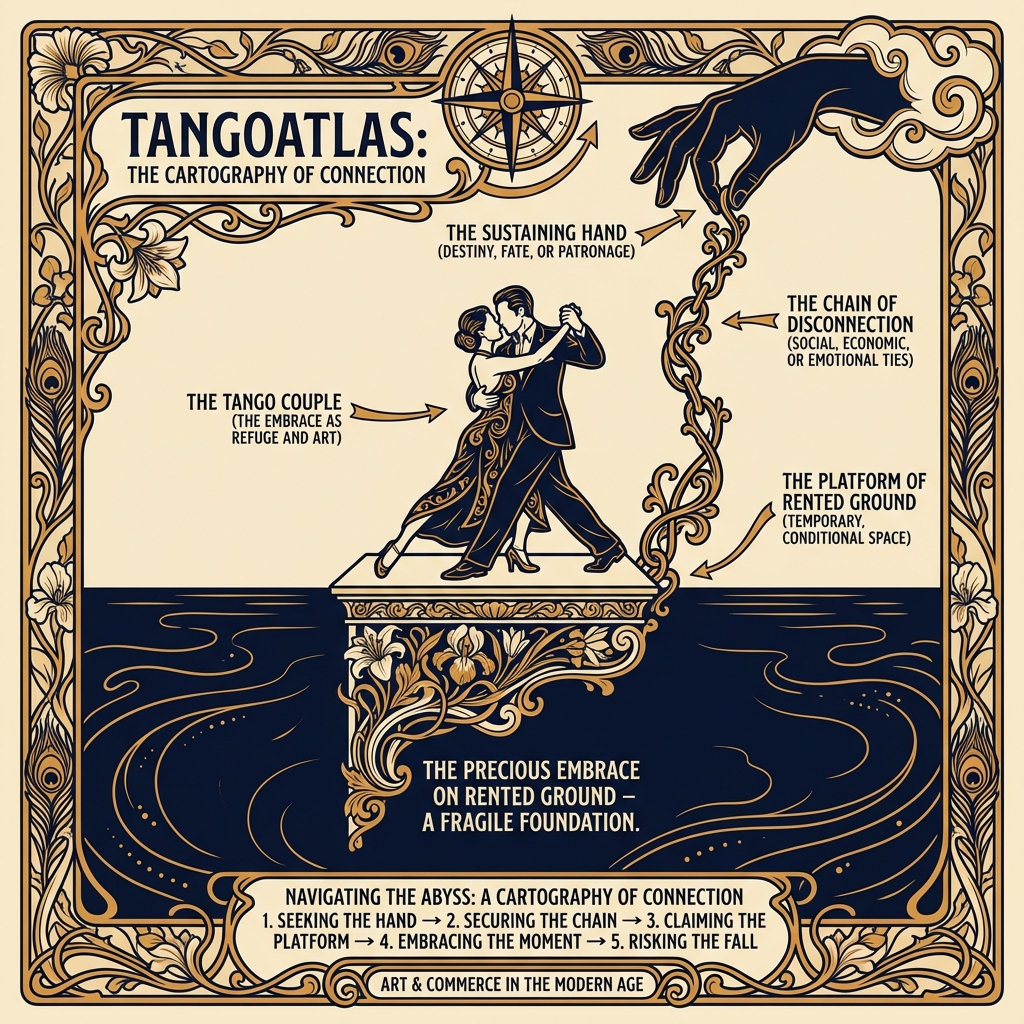
Our tango communities were built on Facebook. Milongas get announced there, groups get managed there, new dancers find us there. It’s essential. Irreplaceable.
Or so many of us think.
In December 2025, The Guardian reported that more than 50 organisations — abortion access providers, queer groups, and reproductive health networks — had their accounts removed by Meta in the space of a few weeks (The Guardian, Dec 2025). The EFF documented that many of those affected received no prior warning — in direct contradiction of Meta’s own stated enforcement policy (EFF, Sep 2025). These weren’t spam accounts — they were real communities that had built years of presence, trust, and reach. Gone. No warning. No appeal. No recourse.
If our Facebook group disappeared tomorrow, what would we actually have left?
Our followers? Gone — they’re Facebook’s list, not ours. Our event history? Gone — locked inside a system we can’t export from. Our photos, our discussions, our RSVPs? All gone.
We’ve spent years building something on rented land. And the landlord can change the terms whenever they want.
Platforms vs. Ecosystems: The Difference That Matters
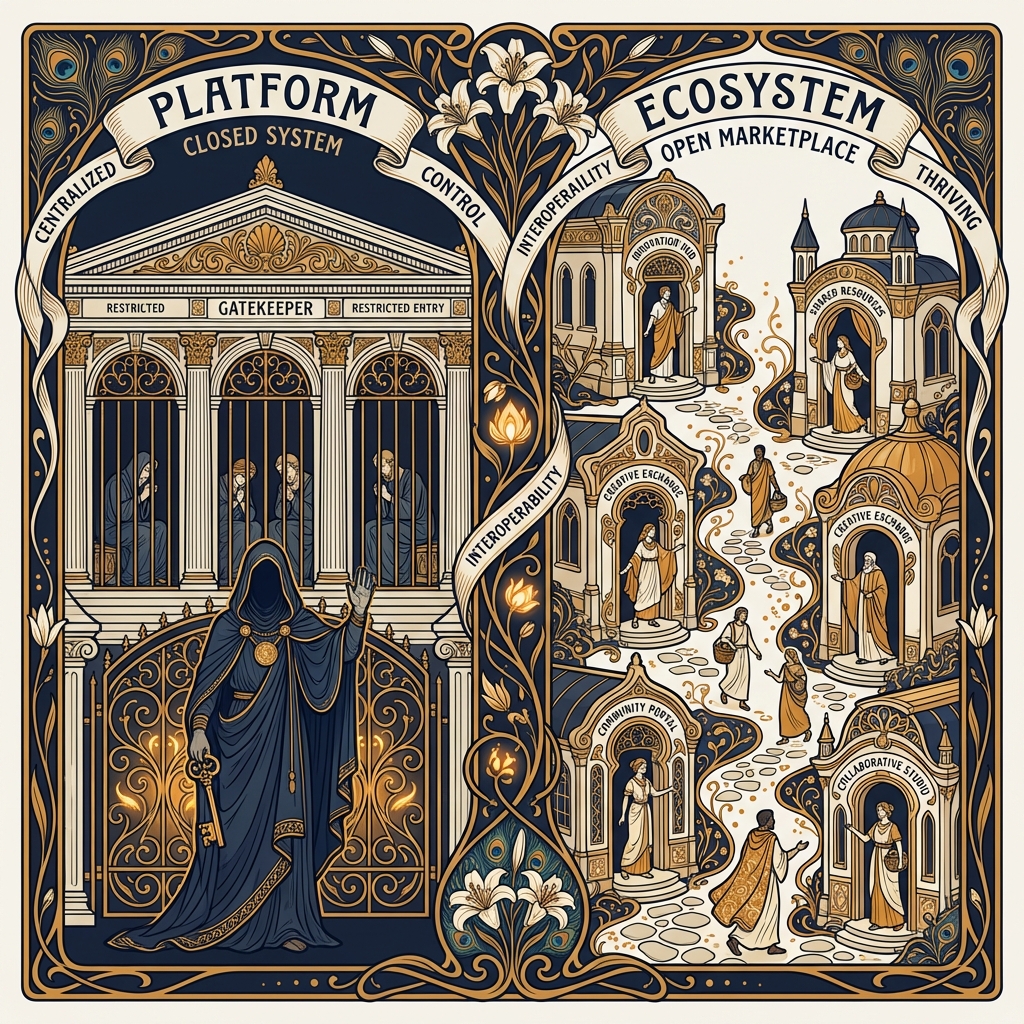
There’s a useful distinction I keep thinking about. A platform is a building someone else owns. They set the rent, change the locks, and can evict you. An ecosystem is a neighborhood you help build — you own your house, share the streets, and collectively maintain the commons.
Facebook is a platform. We create the content, build the community, invest the time and energy — and none of it belongs to us. The rules change without our input. The algorithm decides who sees what. The business model is optimized for their shareholders, not our milongas.
The fediverse is an ecosystem. It’s a collection of independent services connected by open standards. We choose our provider (or run our own). We own our data. If a provider goes bad, we move — taking our connections and content with us. We don’t lose the neighborhood.
The Enshittification Pattern
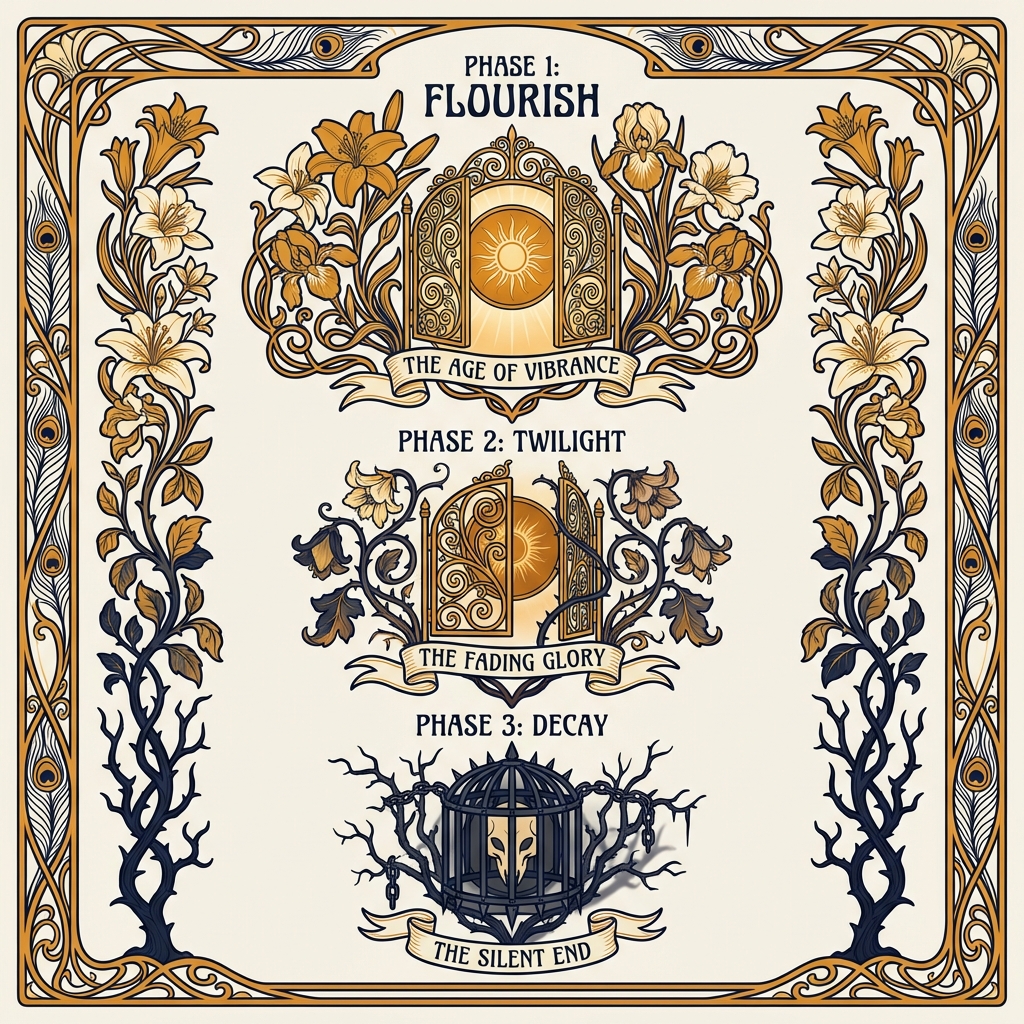
There’s a word for what Facebook did. Cory Doctorow coined the term “enshittification” on November 28, 2022 to describe how platforms systematically degrade — the American Dialect Society named it 2023 Word of the Year.
It goes like this:
Phase 1 (2004–2012): The platform is good to users. Everything works. You post an event, your followers see it. Organic reach is high. “Why would we ever leave?”
Phase 2 (2012–2018): The platform abuses users to benefit business customers (advertisers). Organic reach drops from 16% to under 2% — which means if your page has 500 followers, maybe 10 people see your event post. Not a typo. “Want your followers to see your posts? Pay us.”
Phase 3 (2018–present): The platform abuses business customers to benefit shareholders. Ad prices go up, effectiveness goes down. Even paid reach shrinks. Nearly a third of your feed — 31.9% by Meta’s own data — is now “recommended” content from accounts you don’t follow. Meanwhile, Meta’s advertising revenue hit $160.6 billion in 2024, up 22% year-over-year. The extraction engine runs precisely because organic reach no longer works.
Here’s the thing: this isn’t a bug. It’s the inevitable endpoint of any business model built on extracting attention. First the platform is good to you so you build your community there. Then it holds your community hostage.
“But Can’t We Just Move to Another Platform?”
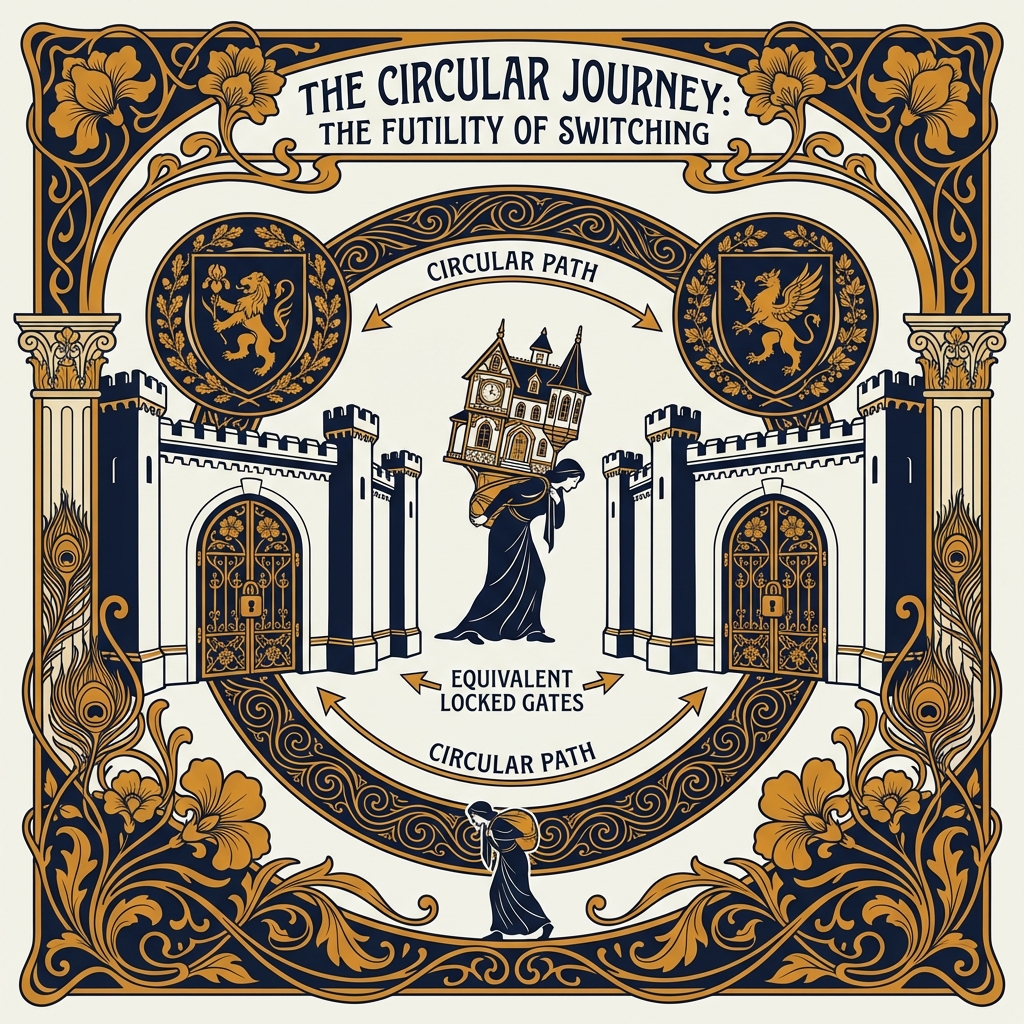
This is the response I hear most often. “If Facebook gets bad enough, we’ll just move to Instagram. Or TikTok. Or whatever comes next.”
Or so we think.
But that just recreates the problem. Moving from one platform to another is like moving between landlords — each one will eventually raise the rent. You’re not solving platform dependency; you’re switching which platform you depend on.
The answer isn’t another platform. It’s building on infrastructure that no single entity controls.
What an Ecosystem Looks Like in Practice
I’ve been running my blog on WordPress with ActivityPub since 2024. Every post I publish is automatically visible on Mastodon and any other fediverse application. My RSS feed works in every feed reader. My email newsletter goes directly to subscribers.
If WordPress goes bad? I export my content and move to another CMS — my posts, my subscribers, my links all come with me. If my hosting provider raises prices? I move to another host. My domain stays the same. My audience stays connected.
That’s what ecosystem participation looks like: we own our piece, and it connects to everyone else’s piece through open standards.
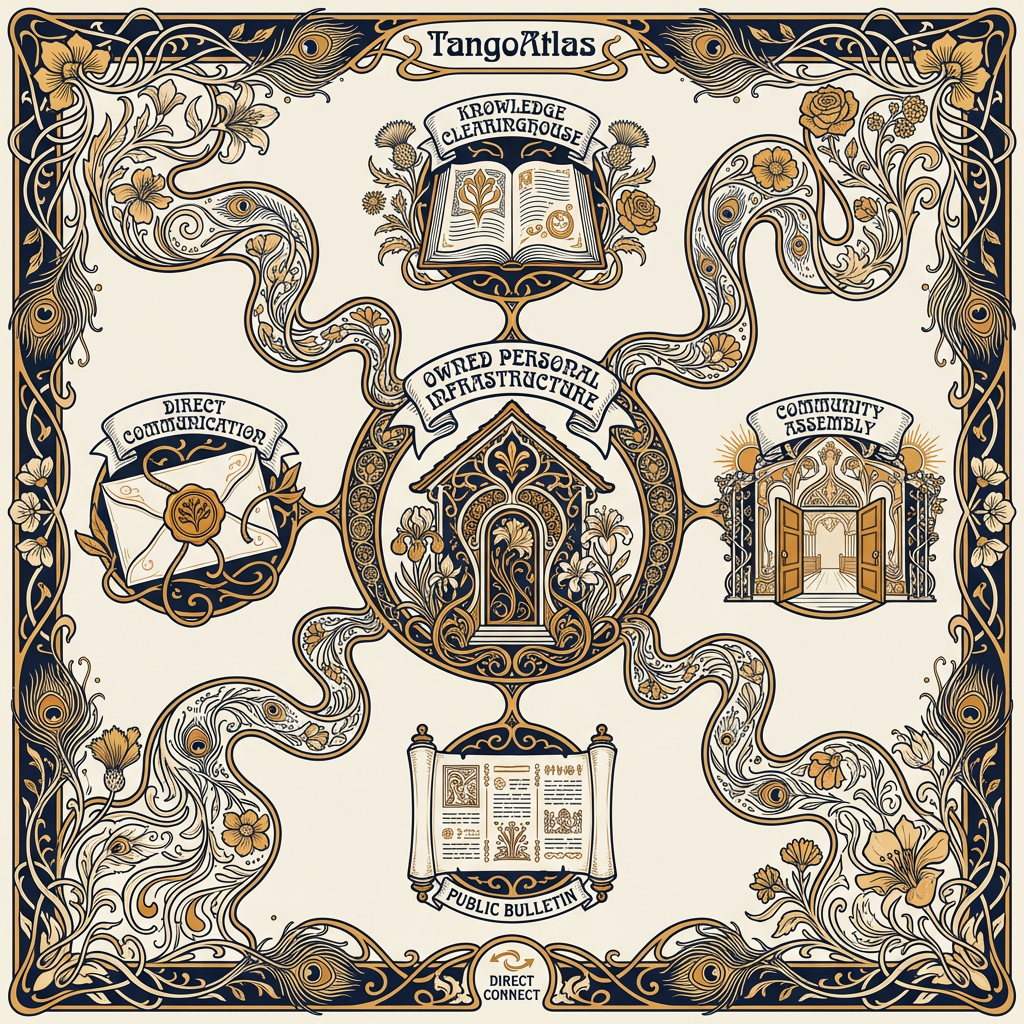
For tango specifically, imagine this: a community-curated directory where schools, DJs, milongas, and teachers are all discoverable and linkable — maintained by the people who actually know the scene. A fediverse community space where organizers post events and every follower actually sees them. No algorithm. No boost button. Your event reaches your people, every time.
None of this requires one company to build one platform. It requires many people building many small things — connected through the same open standards that make email work.
The Switching Cost Trap
The biggest argument for staying on Facebook is: “everyone is already there.” And that’s true. Network effects are real. The switching cost is real.
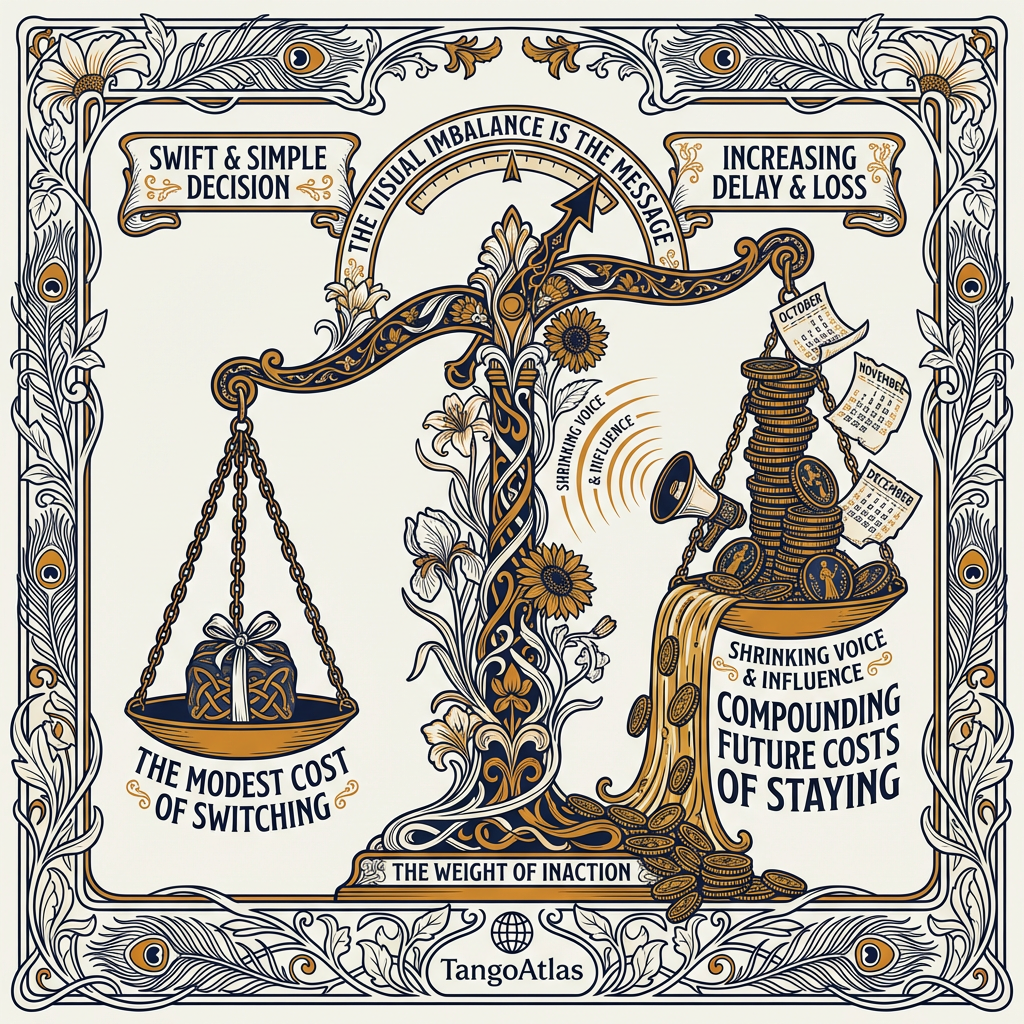
But here’s what we underestimate: the cost of not switching is also real. Every month that passes, your organic reach drops further. Every year, you spend more money boosting posts to reach your own followers. Every algorithm update makes your community less visible.
I’ve provided the regional tango calendar for our area since 2007. I’ve watched platforms come and go. The community that survived every platform transition was the one that maintained its own infrastructure — email lists, websites, personal networks. The communities that put all their eggs in one platform basket lost everything when the basket changed.
What I’m Not Saying
I’m not saying “delete Facebook tomorrow.” That would be giving advice I don’t follow myself. I still cross-post there — ironically, it’s still where many tango people are.
What I am saying: start building something we own — alongside Facebook, not instead of it. A WordPress site can be federation-ready in about two minutes with the right plugin. We could start collecting email addresses from people who actually want to hear from us. We could post events on platforms where we — not Meta’s algorithm — decide who sees them.
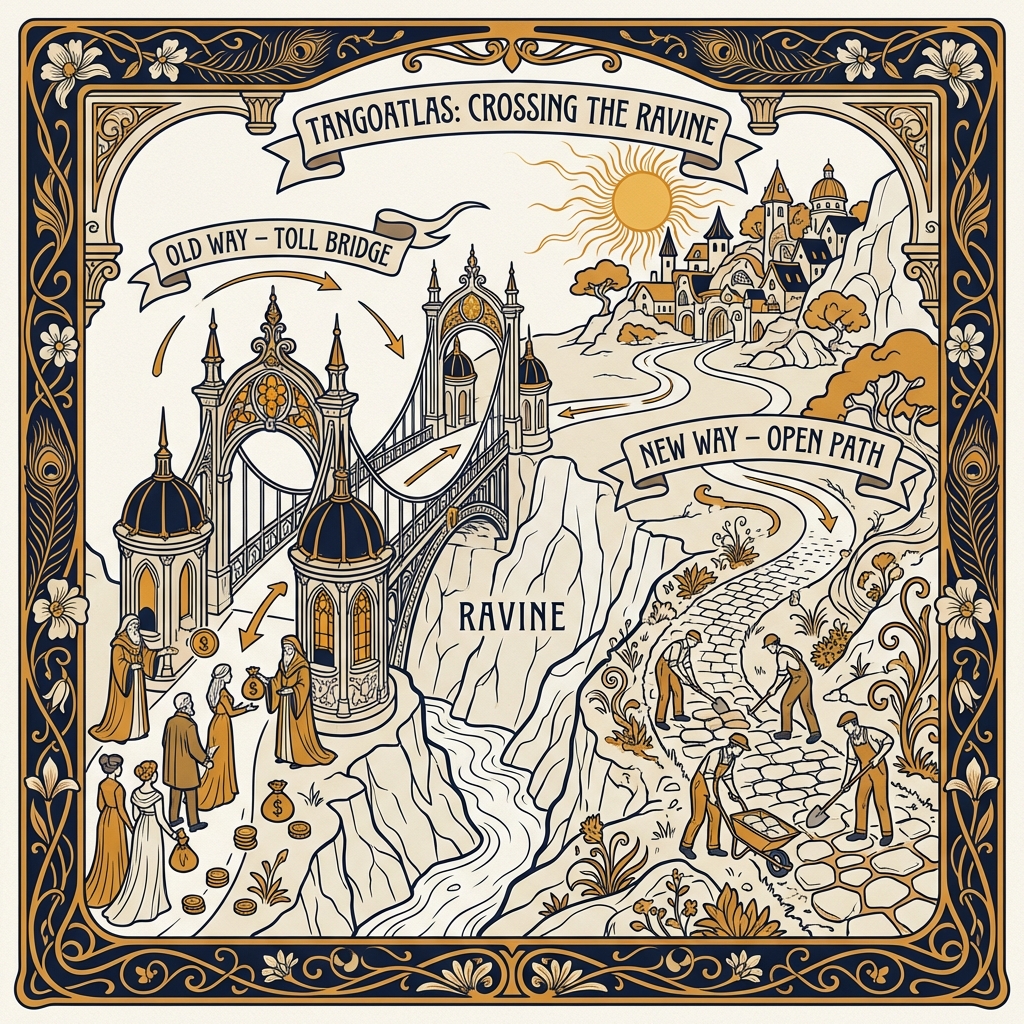
We don’t have to burn the bridge. We could just start building a road that doesn’t go through toll booths.
This is a personal exploration post. A polished version of these ideas — focused on what the platform-vs-ecosystem distinction means for tango communities specifically — will appear on tangoatlas.org/blog – once it is ready.
Sources
- Electronic Frontier Foundation. “Meta Is Removing Abortion Advocates’ Accounts Without Warning.” September 24, 2025. https://www.eff.org/pages/meta-removing-abortion-advocates-accounts-without-warning
- The Guardian. “Meta shuts down global accounts linked to abortion advice and queer content.” December 11, 2025. https://www.theguardian.com/global-development/2025/dec/11/meta-shuts-down-global-accounts-linked-to-abortion-advice-and-queer-content
- Hootsuite. “Facebook Statistics and Trends 2025.” https://blog.hootsuite.com/facebook-statistics/ — Source for organic reach decline (16% in 2012 ? 1–2% in 2025) and feed recommendation data (31.9%).
- Doctorow, Cory. “Enshittification.” Pluralistic, November 28, 2022. https://pluralistic.net/2022/11/28/enshittification/ — Original coinage.
- Wikipedia. “Enshittification.” https://en.wikipedia.org/wiki/Enshittification — American Dialect Society Word of the Year 2023; Macquarie Dictionary Word of the Year 2024.
- Meta Platforms. “Q4 and Full Year 2024 Results.” February 2025. https://investor.fb.com/investor-news/press-release-details/2025/Meta-Reports-Fourth-Quarter-and-Full-Year-2024-Results/ — Ad revenue $160.6B, +22% YoY.
- Prospect Magazine. “Cory Doctorow: the ‘Age of Enshittenment’ is here.” December 2025. https://www.prospectmagazine.co.uk/views/people/71945/cory-doctorow-the-age-of-enshittenment-is-here