The Boring Infrastructure That Sets Tango Free
March 23, 2026
Nobody gets excited about open standards. They have names like “W3C Recommendation” and “RFC 7033.” They’re made by committees. They take years to finalize.
And they’re the most powerful tools we have.
The Magic Trick You Already Use Every Day
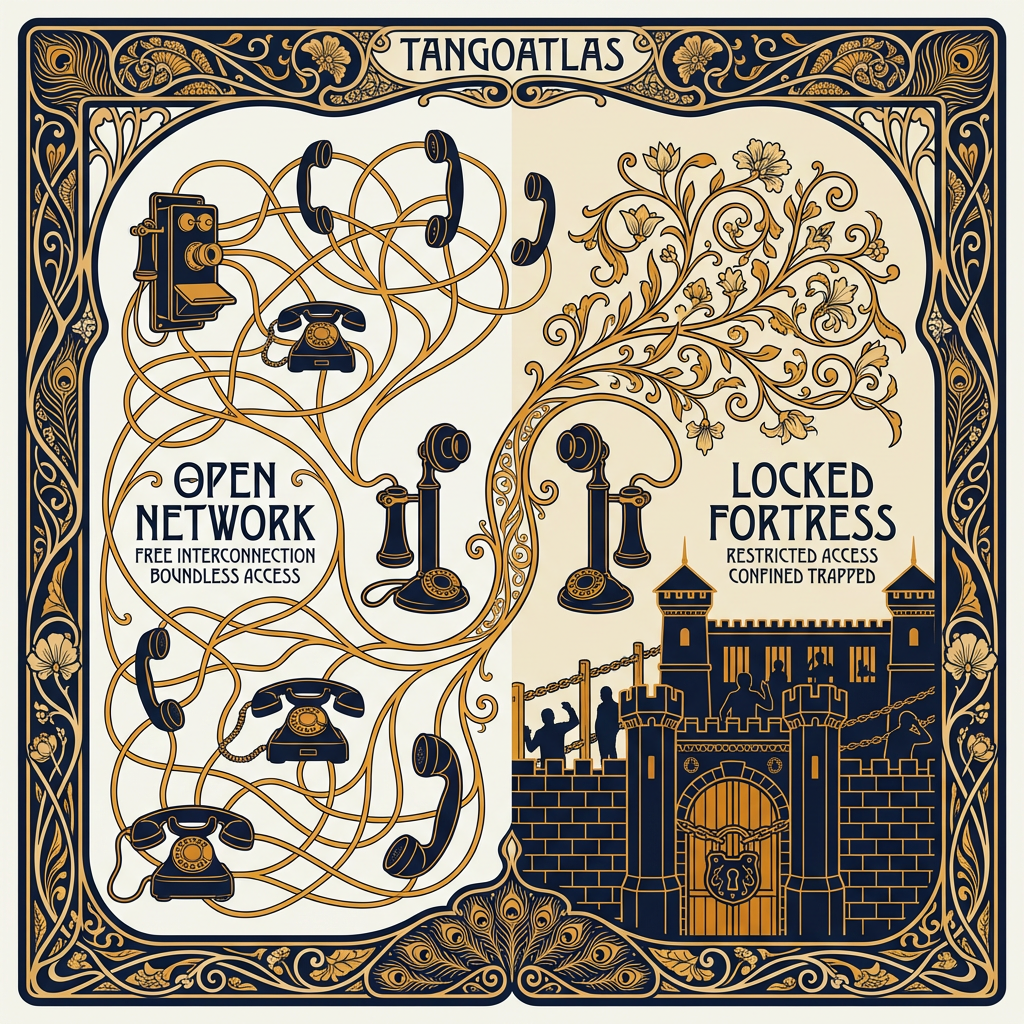
Your phone can call any other phone in the world. Doesn’t matter if it’s an iPhone calling a Samsung, or Vodafone connecting to T-Mobile. It just works. Nobody thinks twice about this.
That’s because the phone system runs on open standards — agreed-upon rules that any company can implement. No single company owns the phone system. No single company decides who you can call.
Now think about social media. Your Facebook account can’t talk to an Instagram account (even though Facebook owns both). Your Instagram followers are invisible to YouTube. Your TikTok audience doesn’t follow you to Mastodon.
Every platform is a walled garden. Each one keeps your audience locked inside, on purpose, because that’s how they sell ads.
Open standards break those walls.
The Three Standards That Change Everything
You don’t need a computer science degree. You just need to understand three things:
1. ActivityPub — The Language of the Fediverse
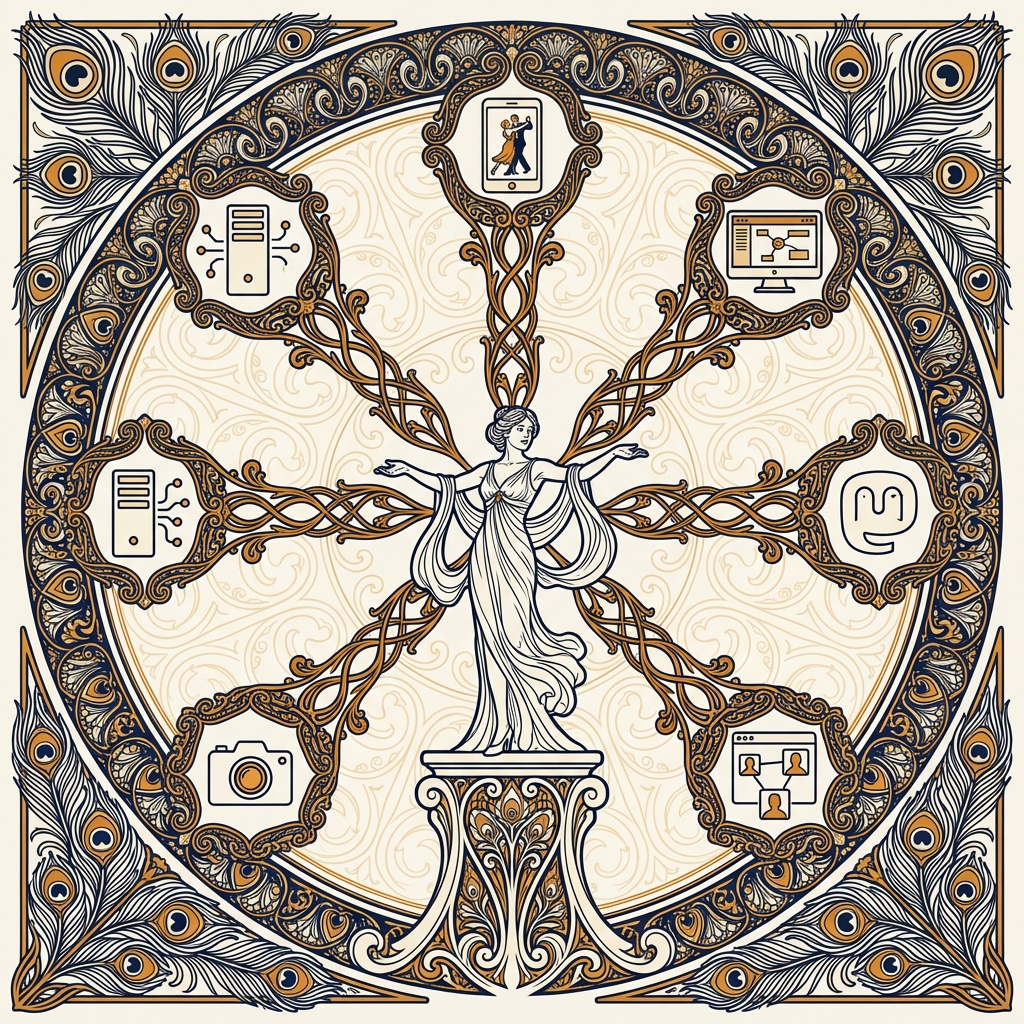
ActivityPub is a W3C Recommendation — ratified January 23, 2018, by the same organization that standardizes HTML (web pages) and CSS (styling). It defines how independent servers communicate social content: posts, likes, follows, events.
When Elena in Buenos Aires publishes a blog post on her WordPress site, the ActivityPub plugin packages it into a standard format and sends it to every server where someone follows her. Maria in Hamburg sees it in her Mastodon app. Carlos in Cologne sees it in Friendica. Nobody needed to be on the same platform.
Why it matters for tango: An organizer’s event post, published once, reaches followers on Mastodon, Friendica, Pixelfed, and any future app that supports the standard. Publish once, reach everywhere — without an algorithm gatekeeping in between.
2. RSS — The Original “Just Follow Things” Protocol
RSS has been around since March 15, 1999, when Netscape engineer Ramanathan Guha published RSS 0.90. It’s the simplest idea in the world: a website publishes a feed, and you subscribe to it. New content appears in your feed reader. No algorithm. No account required. No company in between.
Most tango blogs already have RSS feeds — they just don’t know it. WordPress generates them automatically. Every event listing, every blog post, every update — available as a clean, simple feed.
I use RSS daily. My feed reader shows me new posts from 30+ tango blogs, event calendars, and music pages. I never miss anything. No one decides what I “should” see.
Why it matters for tango: If every organizer published their events on their own website with RSS, and every calendar app could subscribe to those feeds, we’d have a decentralized event discovery network — without building anything new.

3. Webfinger — How the Fediverse Finds People
Webfinger is a simple protocol — RFC 7033, published by the IETF in September 2013 — that lets fediverse apps discover each other. When you search for @elena-tango@charlemos.club in Mastodon, your server uses Webfinger to ask charlemos.club: “hey, where is this user’s profile and outbox?”
It’s like the phone system’s directory assistance — a way for independent systems to find each other.
Why it matters for tango: Your @username@domain address works from anywhere. A fediverse address is like an email address — universal, portable, and not owned by any single company.

The WordPress Trick Nobody Talks About
Here’s the thing that blows my mind: most tango organizers already have the infrastructure they need.
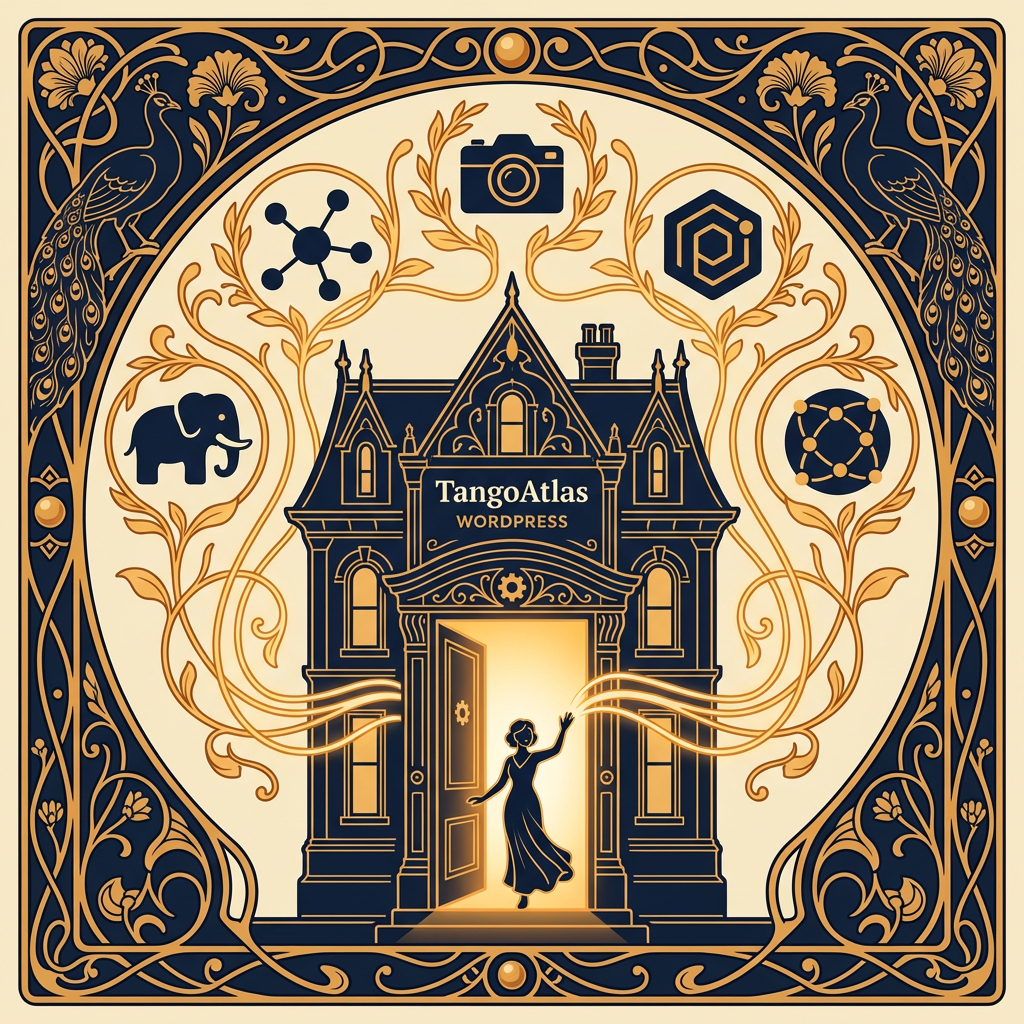
If you run a WordPress website — and WordPress powers approximately 43% of all websites — you’re already 90% of the way there. Install the ActivityPub plugin (free, 2 minutes). Now:
- Every blog post you publish is automatically federated to the fediverse
- Anyone on Mastodon, Friendica, or any fediverse app can follow your site
- Your event announcements reach people without Facebook as intermediary
Your WordPress blog already has an RSS feed. Add ActivityPub, and it speaks the language of the fediverse too. Add The Events Calendar plugin, and your events have structured data. Add the Event Bridge plugin, and those events federate to the fediverse as proper Event objects.
Elena did exactly this. She installed the ActivityPub plugin on her WordPress blog. Took a few minutes. She didn’t ask anyone’s permission. She didn’t sign up for a service. She used an open standard. And now her 200 fediverse followers see every post — without algorithms, without ads, without paying for reach.
“But Nobody Uses Open Standards”
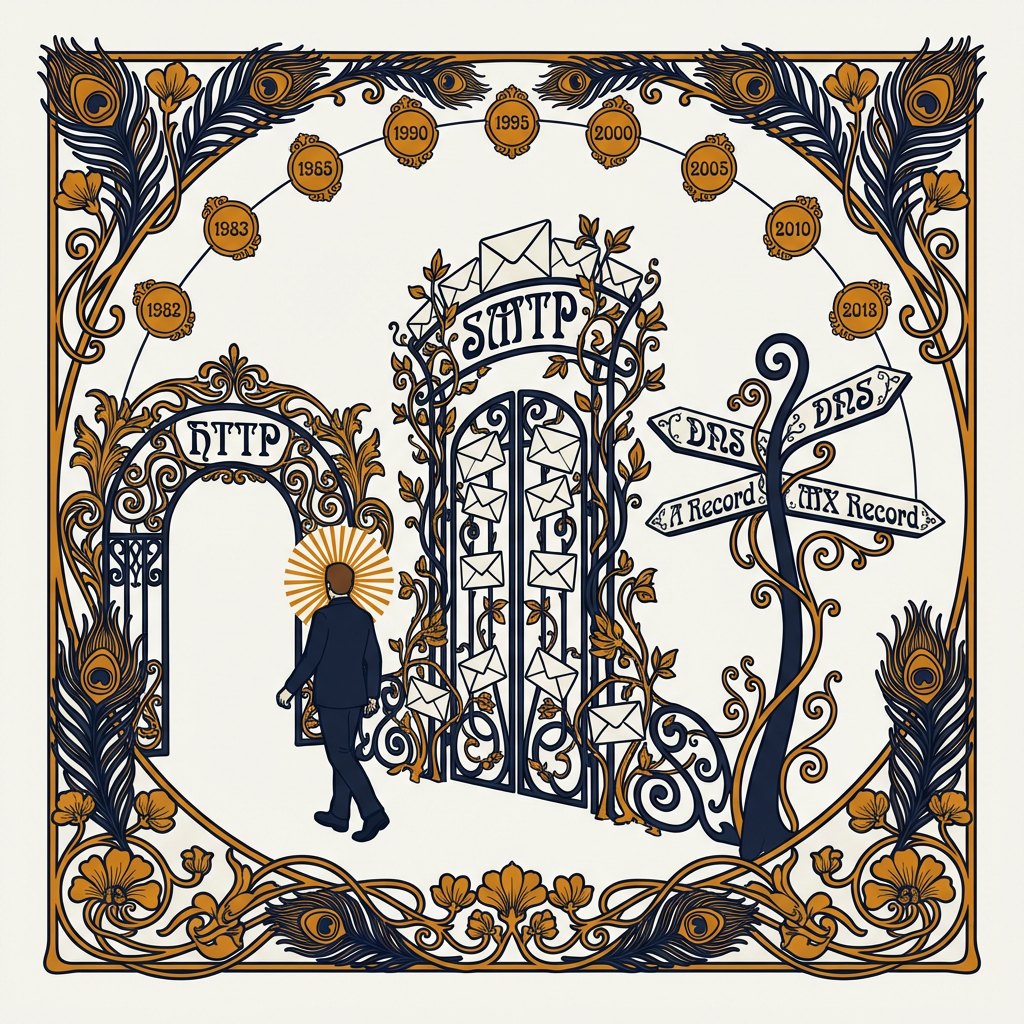
Actually, everyone does. Every day. HTTP (the web), SMTP (email), DNS (domain names), HTML/CSS (web pages) — the entire internet runs on open standards. They’re so ubiquitous you don’t notice them.
ActivityPub is the latest in a long line.
It’s already supported by
- Mastodon (9 million registered accounts, roughly 1.5 million active),
- WordPress (?43% of the web),
- Ghost (since 2025),
- PeerTube (video),
- Pixelfed (photos),
- Friendica (social),
- Lemmy (forums),
- Flipboard (145 million users)
- — and since 2024, Meta’s own Threads (130 million users) federates with ActivityPub too.
That last one is worth a beat. Meta joining ActivityPub looks, on the surface, like vindication for the standard. And technically it is. But — characteristically — Threads made it difficult to actually follow fediverse accounts in their UI, and deprioritized the fediverse feed in later updates. The open standard is real. The commitment is performative. That distinction matters.
The number (FediDB – a directory of all fediverse servers) grows every year regardless. Because that’s what open standards do — they compound. Once the standard exists, anyone can build on it without asking permission.
What This Makes Possible
Any tool built on these standards — a community directory, a fediverse discussion space, a regional event calendar — inherits their properties: exportable data, no lock-in, connections that work across the open network.
If a tango directory published structured data through RSS and ActivityPub, any search engine, feed reader, or fediverse app could consume it. If that directory disappeared tomorrow, every piece of data could be reconstructed from the structured exports. If a community space ran on ActivityPub, every follower connection would survive a server change. No one would be held hostage.
That’s the power of boring infrastructure. It’s not exciting. But it means your community, your content, and your connections aren’t controlled by anyone’s business model.
And honestly? After a decade of watching Facebook break our communities, boring sounds pretty good to me.
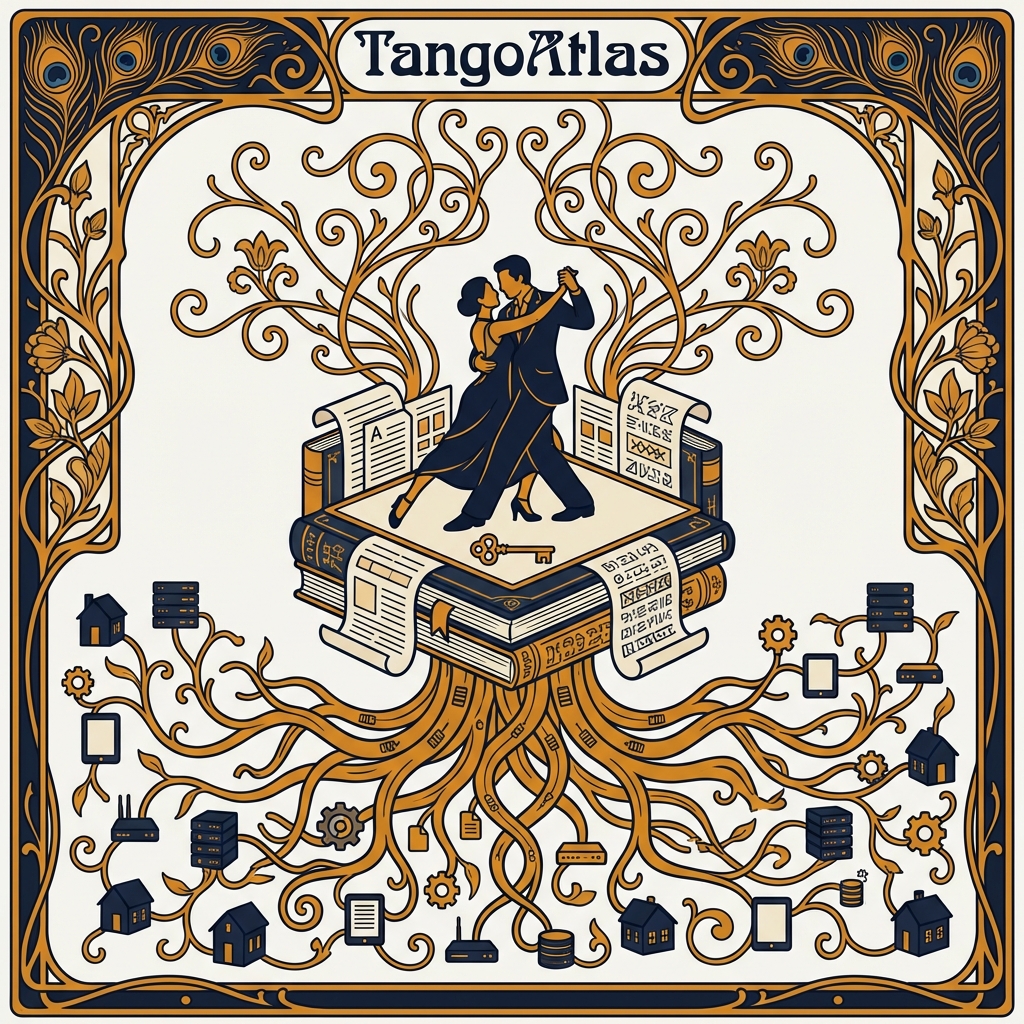
A more focused version of this — with step-by-step instructions for tango organizers — will appear on tangoatlas.org/blog.
Sources
- W3C. “ActivityPub.” W3C Recommendation, 23 January 2018. https://www.w3.org/TR/activitypub/
- RSS Advisory Board. “RSS History.” https://www.rssboard.org/rss-history — RSS 0.90 published March 15, 1999 by Ramanathan Guha (Netscape).
- IETF. “WebFinger.” RFC 7033, September 2013. https://www.rfc-editor.org/info/rfc7033
- W3Techs. “Usage Statistics of WordPress.” https://w3techs.com/technologies/details/cm-wordpress — ?43% of all websites (March 2026).
- ThinkImpact. “Mastodon Users 2026 — Statistics.” https://www.thinkimpact.com/mastodon-statistics/ — 9M+ registered accounts; active users ?1.5M.
- Meta Engineering. “Threads has entered the fediverse.” March 21, 2024. https://engineering.fb.com/2024/03/21/networking-traffic/threads-has-entered-the-fediverse/
- Ilya Grigorik. “Brief History of HTTP.” High Performance Browser Networking (O’Reilly). https://hpbn.co/brief-history-of-http/ — HTTP/0.9 described in 1991.
- IETF. RFC 821 — SMTP, August 1982. https://datatracker.ietf.org/doc/rfc821/